
Resources
Planning security coverage hours: daytime, after dark or around the clock.
Which hours you cover shapes a security plan more than anything else. Map your property’s risk windows, then use our chart to match business-hours, after-hours or 24-hour coverage to each one.
Request a quoteCall (408) 539-1820
Start with the clock, not the service
Most security conversations begin with the type of coverage: an officer, a patrol car, watched cameras. The better first question is when. A property that is busy from eight to five and silent all night has very different needs from one where trucks roll in at four in the morning, even if the buildings look alike.
Once you know which hours carry the risk, the type of coverage for each window is far easier to choose. Our guide to patrol or a posted guard helps with that second step. This page is about the first one.
Map your risk windows
Walk through a typical week and note when things tend to go wrong, or when nobody would notice if they did. Here are the windows worth checking on almost any property:
- Opening, when the first person unlocks and the building is still dark
- Business hours, with visitors, deliveries and staff moving through
- Closing and lock-up, when doors get left open by the last ones out
- Overnight, when the property sits empty
- Weekends and holidays, with long stretches of no activity
- Shift changes at plants and distribution buildings
- Busy seasons, when gate traffic and staffing jump
- Vacancies, between tenants or during a remodel
Next to each window, write what is at stake: people, stock, equipment, an open yard. A window with nothing at stake doesn’t need paid coverage.
A coverage chart by property type
The chart below is a starting point, not a rule. Find the row closest to your property, then compare the three coverage options with the risk windows you mapped. Your own incident history should always outweigh the general pattern.
| Property type | Business hours | After hours | Around the clock |
|---|---|---|---|
| Office building | Lobby officer for visitors and tenants | Patrol stops or watched cameras | Seldom needed unless tenants work late |
| Retail center | Officer walking the walkways and lot | Patrol after the stores lock up | Only after break-ins or during holiday rushes |
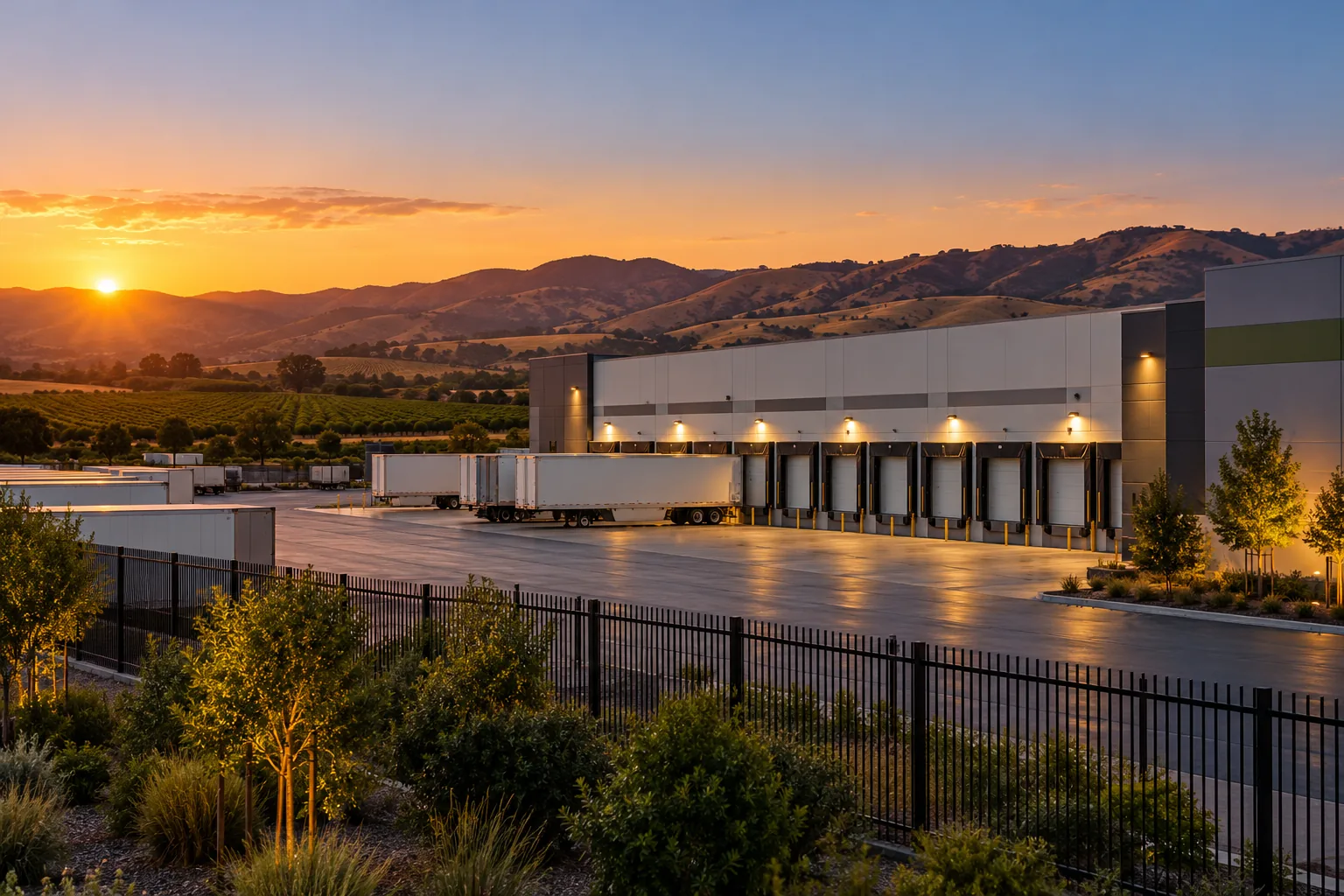
| Warehouse yard | Gate officer signing in drivers | Watched cameras with patrol on call | When freight moves at every hour |
| Jobsite | Gate check-in for crews and deliveries | Officer or cameras guarding equipment | When materials and machines sit out overnight |
| Apartment community | Usually covered by on-site staff | Patrol through lots and common areas | For a run of incidents or a vacant phase |
| Processing plant | Gate officer during heavy truck days | Patrol and alarm response off-season | During peak weeks with nonstop shifts |
| Vacant building | Patrol visits at changing times | Patrol and alarm response | Right after a break-in until repairs finish |
When business-hours coverage is enough
Some properties are at risk only while they are open. Problems come from the public, not from people breaking in at night, and the building is well locked and alarmed once everyone goes home.
- Visitors and deliveries need to be met and logged
- The lobby or front desk would otherwise be unattended
- Shoplifting, disputes or trespassing happen during open hours
- After closing, a monitored alarm and good locks already do the job
An officer from our security guard services can hold that post for exactly the hours you are open.
When after-hours coverage carries the load
Other properties work the opposite way: perfectly calm while staff are around and exposed once the last car leaves. For these properties the paid hours belong overnight and on weekends.
A full overnight shift isn’t always the answer. Mobile patrol stops at changing times, alarm response and live camera watching can cover the empty hours without an officer posted all night. A yard full of trailers is a classic example, and our guide to securing a warehouse yard overnight walks through that setup.
When the property needs someone around the clock
Round-the-clock coverage is the heaviest commitment, and it fits a narrow set of situations: a site that has been hit more than once, high-value equipment sitting in the open, a building with a broken door or window waiting for repair, or a property where something is happening at every hour.
We staff 24-hour posts as well as day and overnight ones. For a short stretch, such as the days after a break-in, temporary security guards can hold a 24-hour post until the property is secure again, and the coverage can drop back to after-hours once it is.
Adjusting the hours as you learn
The first schedule is an educated guess. After a few weeks, the timed logs and morning shift reports show when the property is actually busy, when the gate gets tested and which hours stay quiet. Move coverage toward the windows the reports point to and away from the ones that never see trouble.
Because terms run month to month, you can add hours for a peak season and trim them once it passes. Start with a free walkthrough, and the written quote will set out coverage window by window. Request a quote to get started.
A few useful answers
Common questions
Does our property need 24-hour security?
Only when the risk never lets up: repeat break-ins, valuable equipment left in the open, or a damaged building waiting for repairs. Otherwise, cover open hours or overnight and handle the rest with patrol, alarm response or watched cameras.
Can our coverage hours change with the seasons?
Yes. Hours can expand for busy weeks and shrink in quiet months, and month-to-month terms keep that simple.
Can we cover only weekends?
Yes. Weekend-only posts or patrol visits work well for properties that are busy during the week and empty from Friday night to Monday morning.
What about the short windows at opening and closing?
They matter more than their length suggests. An officer’s shift or a patrol stop timed around lock-up and opening closes those gaps.