
Industries
Vacant property security in Gilroy
Vacant property security in Gilroy for empty buildings, lots and homes between tenants or sales: patrol checks at varied hours, lock and door checks, squatter and break-in deterrence, and a report to the owner after every visit.
Request a quoteCall (408) 539-1820
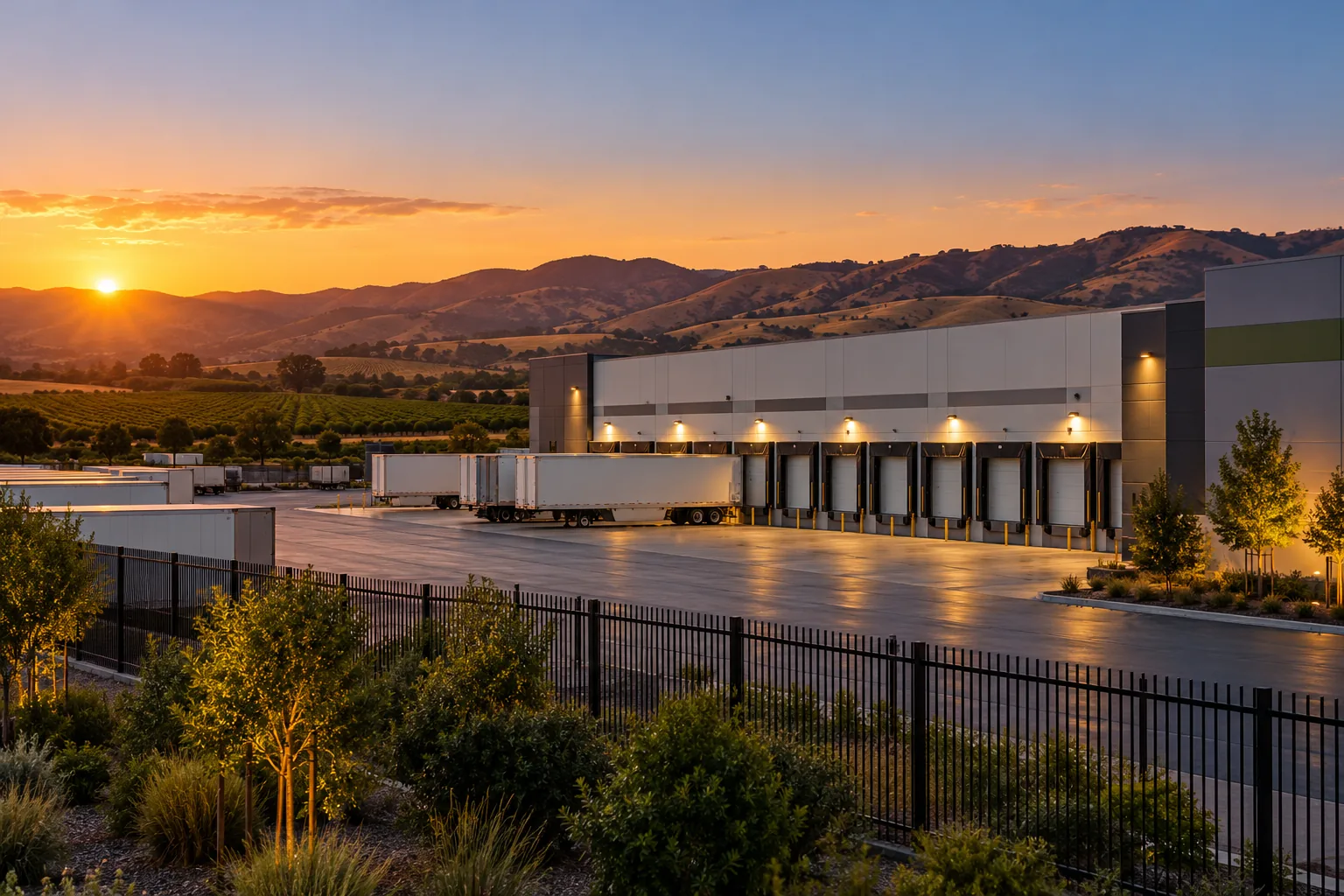
Empty buildings in a busy town
Property sits empty in Gilroy for all kinds of reasons: a storefront downtown between tenants, an older packing shed or warehouse waiting for its next use, a house on the market, a parcel near the highway waiting for permits. An empty building with nobody checking on it soon draws attention from the wrong people.
Copper wire, appliances and fixtures walk out the door. Squatters move in. A broken window lets in weather and vandals. Vacant property security is about making the place look watched, and catching problems while they are still small.
Patrol checks at varied hours
The core of vacant property protection is mobile patrol. A marked patrol car visits at times nobody can predict, day and night. On each stop the officer walks the outside of the building, checks every door, window and gate, looks for footprints, trash or a car that doesn’t belong, and shines a light inside where windows allow.
You decide how many visits each night and how long each lasts. Every visit is logged with the time, so you have a record of each check, even when nothing happened.
Locks, doors and openings
Door and lock checks catch the small failures that lead to big ones: a padlock cut and replaced with a look-alike, a back door pried just enough to open later, a window screen pulled away. Officers test the locks you point out, check boards and fencing, and photograph anything that has changed since the last visit.
When the officer finds a problem, you hear about it right away rather than the next time you drive by. Interior checks can be added when you provide keys or codes and want the officer to walk through.
Keeping squatters and break-ins out
Squatting and break-ins are easiest to stop before anyone settles in. Frequent, unpredictable visits, clear signage and a patrol car pulling into the lot at odd hours make a property a poor choice. Officers look for early signs such as bedding, new locks or a lit window and report them the moment they see them.
Where a site has power and cameras, remote video monitoring can watch between patrol visits, so activity is spotted while it is happening.
Lots, land and homes between sales
Vacant land has its own risks: illegal dumping, campers, off-road driving and fence damage. Patrol checks of open lots and parcels focus on the gates, the fence line and the spots where trucks can pull in unseen.
Homes listed for sale or between rentals benefit from the same routine. Officers check doors and windows, note mail and packages left at the door and make sure the property looks occupied enough to discourage trouble, while your agent or property manager keeps showing it.
When a property needs more
Some vacancies call for a person on site. After a break-in, during a tenant turnover with valuable fixtures still inside, or while a building is being cleared for sale, a temporary guard can hold the property overnight or around the clock. When the property becomes a jobsite, coverage can shift to construction site security.
Reports and pricing
Owners, lenders and property managers often live far from the property. After each visit, the report records the time, what was checked and any photos, so you can see the condition of the building without driving to Gilroy. Every officer holds a BSIS guard card and passes a background check, and you receive our certificate of insurance before service begins.
Patrol checks are priced by the minute at $2 to $3, with a five-minute minimum per visit, so a few short checks a night stay affordable. A posted guard runs about $36 to $50 an hour. Agreements are month to month and easy to end when the property sells or a tenant moves in.
A few useful answers
Common questions
How often should a vacant building be checked?
A good starting point is two or three visits a night at varied times, adjusted once the reports show how much attention the property draws.
Can your officers check inside the building?
Yes. When you provide keys or codes, officers can walk the interior on each visit and photograph anything that has changed.
What happens if an officer finds someone living in the property?
The officer reports it to you right away, documents what was found and calls police when your instructions say to.
Can coverage stop when the property sells?
Yes. Agreements are month to month, so patrol checks end when the sale closes or a tenant moves in.
Do you protect empty land and lots?
Yes. Patrol checks of vacant lots focus on gates, fencing and dumping spots, with photos of anything new in each report.