
Industries
Self-storage security in Gilroy
Security for Gilroy self-storage and RV storage lots: after-hours patrols of gates, unit rows and fences, alarm response and photo reports.
Request a quoteCall (408) 539-1820
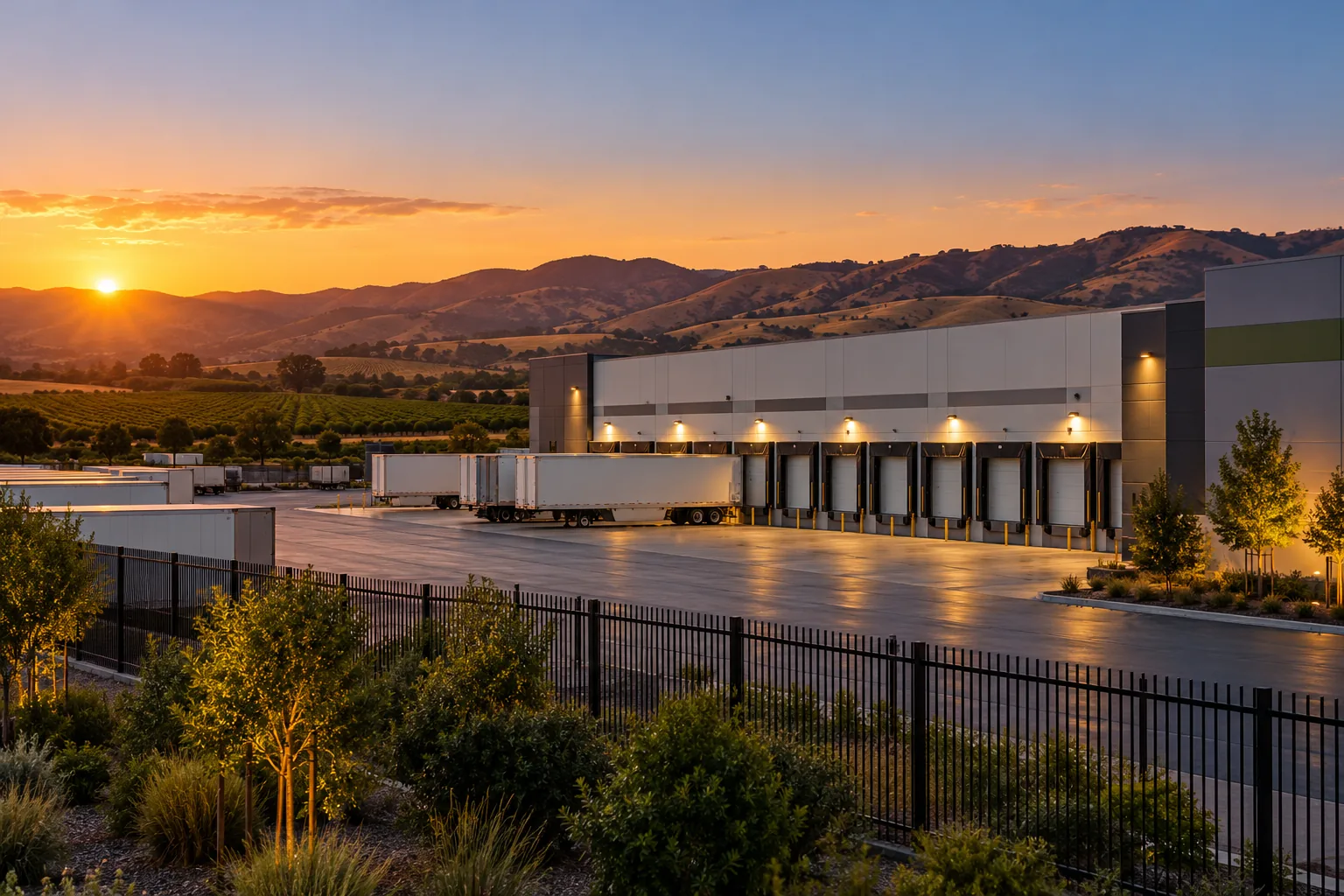
Storage lots after hours
Many storage lots offer 24-hour access and rely on drive-up units in long single-story rows.
That layout is easy for tenants and hard to watch. A manager on site during the day can see the gate from the office, but once the office closes, the rows at the back of the lot, the RV spaces and the fence along the far edge go hours without anyone looking at them. Patrol visits fill those hours.
A night of patrol at a storage lot
The first stop of the evening usually comes soon after the office closes. The officer checks that the gate is closing fully behind each car and that the pedestrian gate isn’t wedged open, then tries the office doors and looks over the moving-truck parking.
Next comes a slow drive down every aisle. Roll-up doors should be down and locked; a missing lock, a cut hasp or a door left a foot open goes into the log with a photo. Lights at the ends of the rows get checked as the car passes, because a dark corner on a storage lot tends to stay dark until someone reports it.
The last part of the round is the fence. Officers look for cut chain link, gaps dug under the bottom rail, ladders or pallets left against it, and vehicles parked tight against the outside. On a later visit, the same route runs in a different order, so no two nights look alike.
RV, boat and trailer storage
Outdoor vehicle storage gets its own attention. Officers walk the RV and boat rows to check that hitch locks and wheel locks are on, that covers and tarps are tied down after a windy afternoon, and that no one is camping in a stored motorhome. Trailers with an open door or a missing tongue lock are photographed for the manager.
These lots hold some of the most valuable things on any storage property, and they are often at the back, near the fence. A patrol plan for a facility with vehicle storage should give those rows a stop on every visit.
When the keypad tells a story
The gate log shows who came in, when and on which code. A code used at two in the morning on a facility with daytime hours, or the same code entered many times in a row, is worth a look. When the manager flags a code or a unit, the patrol officer checks that unit on the next visit and reports whether anyone is there.
People sometimes linger at a storage lot simply because it’s quiet. Officers greet anyone in the aisles after hours, confirm they have a unit and a reason to be there, and note the encounter in the log. Most of the time it’s a tenant who works late, and a friendly word is all it takes.
Alarms, cameras and a standing officer
Between patrol stops, alarm response covers the office and any alarmed doors. When your monitoring company calls, an officer drives out, checks the building and the rows near the alarm, and writes up what turned up. Facilities with good cameras can add live camera monitoring through the night, with an officer sent when the picture shows movement.
Mobile patrol is the right fit for a typical storage lot. A standing officer makes sense for a large facility, one with a big vehicle-storage yard, or a stretch of incidents that calls for a person at the gate for a few weeks. Unarmed officers suit storage work, and armed coverage is available where a risk review recommends it.
Who patrols, and what it costs
Every officer holds a BSIS guard card and passes a background check before a first shift, and a supervisor rides along and inspects patrol work. We carry insurance and workers’ compensation, and every storage owner receives our certificate of insurance before the first patrol.
Storage patrol in Gilroy is charged for the time the officer spends inside your gate, $2 to $3 a minute with five minutes as the minimum for any stop, so a quick gate check on a shared route stays close to that floor. Three visits a night, every night, comes to about 91 stops a month; at 12 minutes a stop and $2.50 a minute, that’s roughly $2,730. Alarm call-outs are priced separately, usually $91 to $200 each. Big lots with RV rows, long fence lines and holiday nights add minutes to each stop. We’ll walk the lot with you for free and follow up with a written quote.
A few useful answers
Common questions
Do patrol officers check the RV and boat rows?
Yes. Vehicle-storage rows get a stop on every visit, with hitch locks, wheel locks, doors and covers checked and anything amiss photographed.
What does the manager see the morning after a patrol?
A timed list of every stop, the areas checked and anything found, such as an unlocked unit, a dark light or a gap in the fence, with photos attached.
Can patrols cover a facility with 24-hour access?
Yes. Officers greet tenants they meet in the aisles, confirm unfamiliar visitors have a unit, and note each conversation, so late access stays comfortable for renters.
How often should a storage lot be patrolled?
A good starting plan is one evening stop and two overnight. After a few weeks of reports, the schedule moves toward the hours and rows that actually need it.
Services