
Resources
Choosing between on-site guards and remote video monitoring.
An officer on the property and live eyes on your cameras solve different problems. Here is how they compare on presence, response, what each sees and the hours they cover, and when to use both.
Request a quoteCall (408) 539-1820
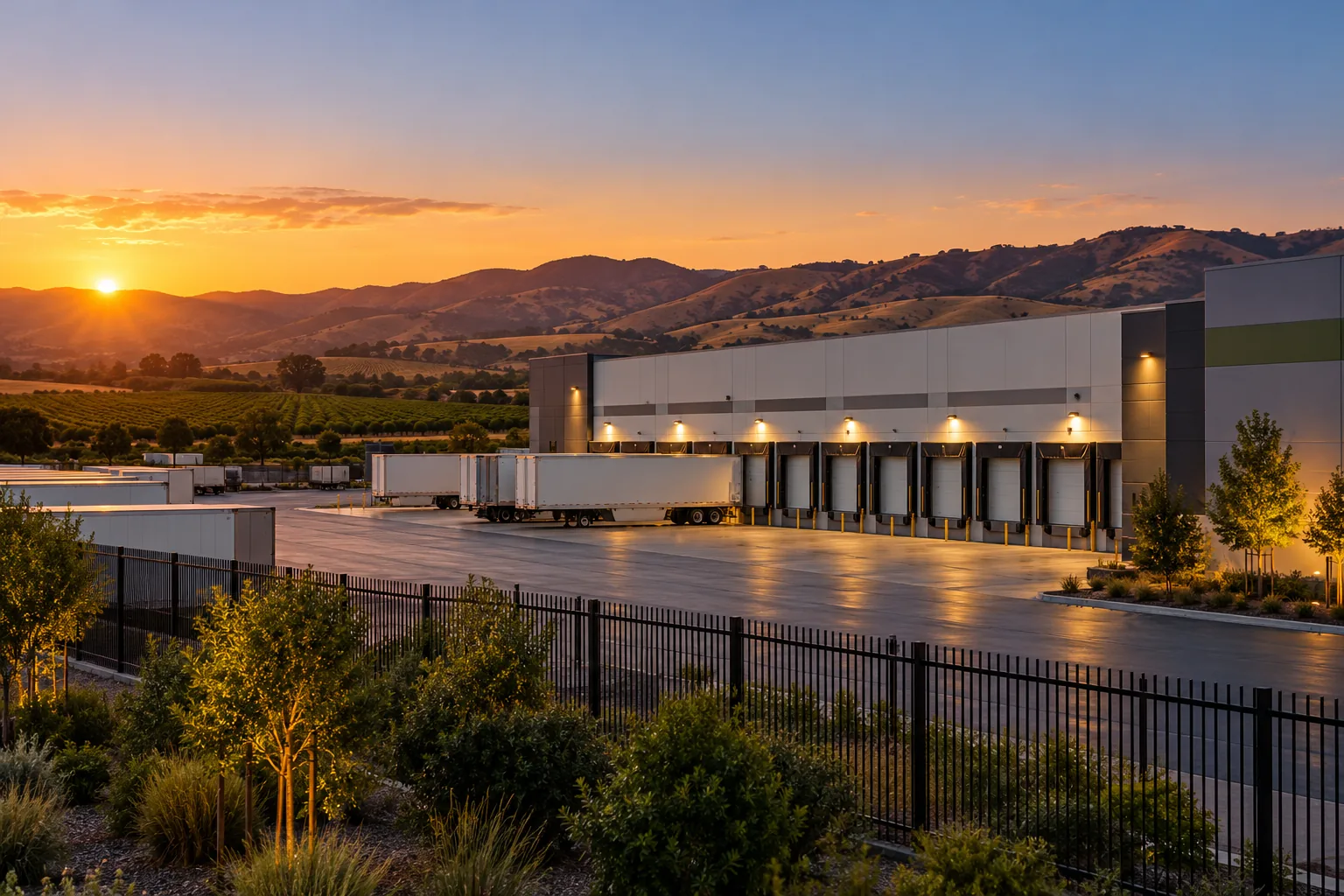
Two ways to watch a property
A posted officer protects a property by being there. Someone in uniform stands at the gate or the lobby desk, walks the lot on a schedule and deals with whatever turns up during the shift. Remote video monitoring protects it by watching. Live attention goes onto the camera views you already have, and when something moves where it shouldn’t, a set of steps you chose in advance kicks in.
Both are real security, and neither one is a cheaper copy of the other. The right pick depends on whether people need to be met, how much ground there is, and which hours carry the risk. Plenty of Gilroy properties end up using both.
How they compare
The chart lines the two up factor by factor. Go down the rows and tick whichever side describes your site better. An even split usually points to a combined plan.
| What to weigh | Officer on post | Live video monitoring |
|---|---|---|
| What it sees | Whatever the officer can see and walk to | Every watched view at once, within camera range |
| Who is there | A uniformed officer on the property all shift | Nobody on site; live attention on camera views |
| Deterrence | A visible person at the door or gate | Cameras backed by action when activity shows up |
| First response | The officer checks in person straight away | Your chosen steps: a call, a patrol car or 911 |
| Coverage hours | The hours of the posted shift | The hours you pick, such as nights and weekends |
| Large yards | One area at a time on foot | Wide lots covered if the cameras reach them |
| Meeting people | Signs in visitors, vendors and drivers | Best for hours when nobody needs meeting |
| The record | Timed round log and a morning shift report | A write-up of each event by email |
When an on-site guard is the better fit
If the property is open, or people come and go at odd hours, you need a person. Cameras can’t hand a driver a clipboard or tell a visitor which entrance to use.
- Visitors, vendors or drivers arrive during the covered hours
- A lobby, front desk or gate needs a face on it
- Cash or valuable stock is handled after dark
- Something serious happened recently and a constant presence matters
- The site has few cameras, or the views leave large gaps
For those posts, security guard services put an officer on the property for the hours you choose, and every round goes into a timed log.
When remote video monitoring is the better fit
Some properties are simply empty after closing. A truck yard, an equipment lot or a retail center’s big parking field has nothing to greet and too much ground for one officer on foot.
- Nobody is on the property overnight or on weekends
- The area is wide, flat and already well covered by cameras
- The worry is people climbing fences or walking into a yard after dark
- You want eyes on several zones at the same moment
- Lighting is good enough for cameras to show what is happening
Remote video monitoring starts with a look at your camera layout. Together we pick the views to watch and the hours, and settle who gets the call.
What each one misses
A camera can’t try a door handle, check a trailer seal or notice a smell of smoke. If a view is blocked by a stack of pallets or blown out by a floodlight, it sees nothing at all, which is why we flag weak views before monitoring begins.
An officer, for their part, can only be in one place. On a property with several buildings and a long fence line, a guard walking the far end of the lot isn’t watching the front gate. Rounds help, but they leave stretches of time when part of the site goes unseen.
Using both together
The two cover each other’s blind spots. A common pattern pairs an officer during business hours, when people need to be met, with watched cameras after closing. Another keeps a guard at the main gate overnight while live views cover the back fence and the trailer rows.
When the monitoring side spots something that needs a person, a marked car from our mobile patrol can be sent to look. If you are still weighing visits against a full shift, our guide to patrol or a posted guard covers that choice.
Choosing for your property
A few questions sort out most properties. Does anyone need to be met during the risky hours? Do your cameras cover the ground that matters? Is the problem one spot, or a wide area all at once? Take those answers into a free walkthrough, and we will set out guards, monitoring or a mix of both in a written quote. Terms are month to month, so the balance can shift as you learn what the property needs.
A few useful answers
Common questions
Can you monitor the cameras we already have?
Yes. Monitoring uses the cameras you already own. We go through the views with you first and point out blind spots or washed-out angles.
Can video monitoring replace a guard at a staffed front desk?
No. A front desk needs a person to greet visitors and sign in vendors. Monitoring fits the hours when the building is empty.
What happens when someone shows up on a watched camera?
The steps you set are followed: a call to your contact, a marked patrol car sent out, or a call to emergency services. A write-up of the event reaches you by email.
Can we have a guard by day and watched cameras at night?
Yes. That split suits properties that are busy during business hours and empty overnight.